
SAGA 2026 Host



Agenda
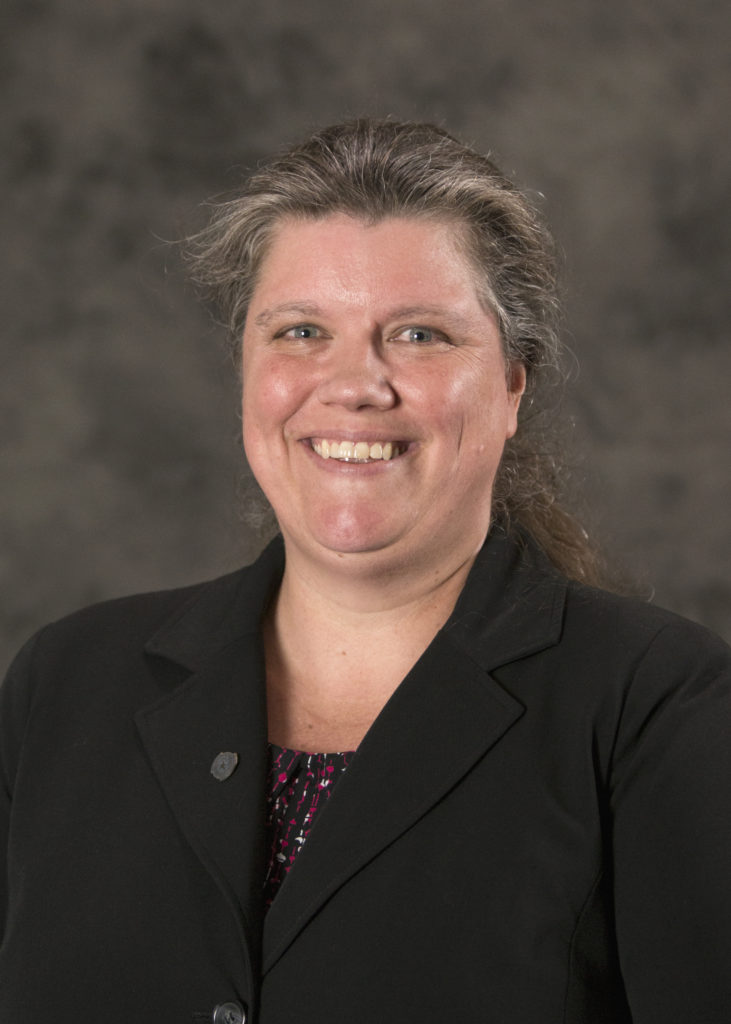
Prof Clare Gill
Clare A. Gill earned her doctoral degree in animal science from the University of Adelaide in Australia (2001). Her doctoral research focused on the development and use of an ovine bacterial artificial chromosome (BAC) library to study Bovidae genomes. She was twice a finalist in the Young Australian of the Year awards for outstanding achievement in science and technology. Dr. Gill joined the faculty at Texas A&M University in 2001. She initiated a research program in bovine genomics and with departmental collaborators developed a population of tropically adapted crossbred beef cattle to map genes for production efficiency. For this project, she received the 2009 Vice Chancellor’s Award in Excellence for Team Research. Dr. Gill served on the technical committee for the bovine genome project, which was the cover article in Science in April 2009, and she was a member of the leadership team for International Bovine Hapmap Consortium, whose work was published in the same edition of Science. She was promoted to professor in 2013. For her contributions to bovine genomics, she received the Dean’s Outstanding Achievement Award for Excellence in Research in 2014. Dr. Gill has been PI or co-PI of 16 federal grants and has over 70 peer reviewed publications. She was the President of the International Society of Animal Genetics from 2019-2023 and from 2019-2022 was a director at-large on the national board for the American Society for Animal Science. After holding several part-time administrative appointments since 2011, Dr. Gill served as interim department head for Agricultural Leadership, Education and Communications from August 2017 to 2018. She then served as the Executive Associate Dean and Associate Dean for Research in the College of Agriculture and Life Sciences until Feb 2022 before returning to the faculty.

Assoc. Prof. Dr. Ngo Thi Kim Cuc
Assoc. Prof. Dr. Ngo Thi Kim Cuc- Vice Director General of Animal and Veterinary Sciences, Vietnam. She received her Master and PhD in Goettingen University, Germany. Her speciality is Animal Breeding and Genetics. She has had many experiences on genetic molecuar and conservation genetics as well as animal genetic biodiversity
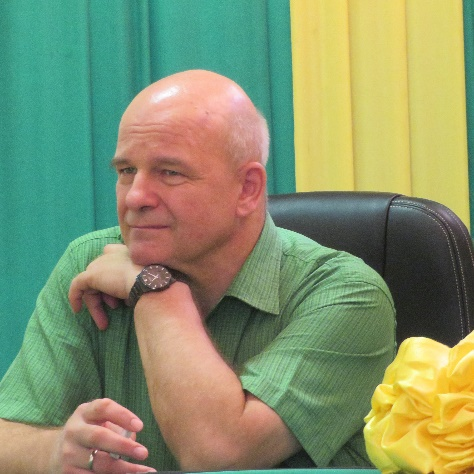
Johann -Hans- Sölkner
Johann -Hans- Sölkner is Full Professor (retired) at BOKU University, Vienna, Austria.
He is an animal geneticist and livestock breeder with strong interest in high tech (genomic) as well as low tech (simple breeding programs) solutions. He considers the current times great, with so many things to be tested, learned and better understood.
Early in his career, Hans was developing and implementing genetic evaluation systems for functional traits in Austrian cattle, later on he was instrumental in the development of genomic prediction systems in cattle.
Since 20 years he has also been running a number of projects in Africa and Latin America, with the goal of implementing community based breeding programs in cattle and small ruminants. He has been in Vietnam only once before, visiting Vietnam National University of Agriculture in 2023 and making contact with Đỗ Đức Lực, considering joint projects from there.
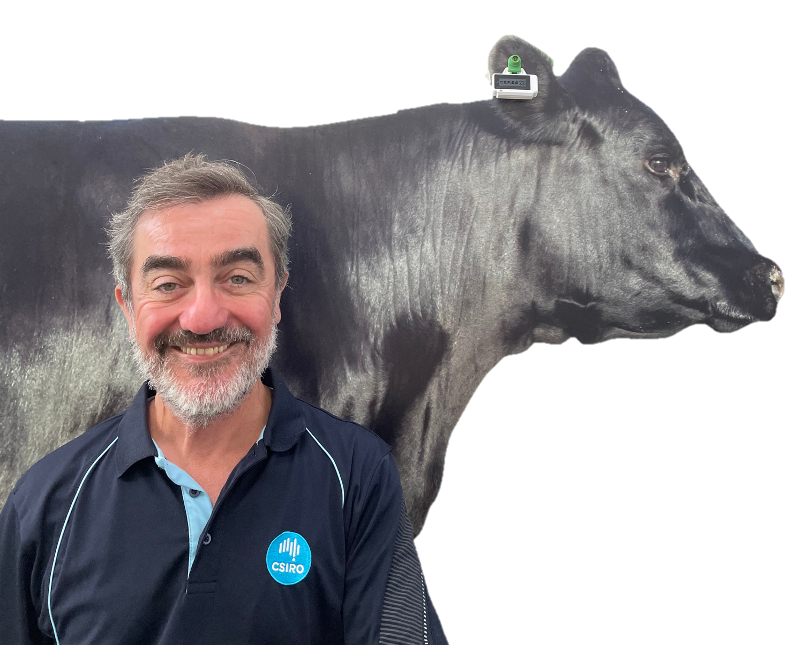
Originally from Spain, Antonio Reverter (Toni) has a bachelor’s degree in Veterinary Sciences from Barcelona (Spain), coupled with a masters in Statistics and a PhD in Animal Sciences, both from Colorado State University (USA). Since 2002, Toni has been with CSIRO, the Australia’s national science agency, where he contributes expertise in computational and systems biology, as well as quantitative genetics and genomics. Hi current research focuses on the factors that influence the accuracy, bias and dispersion of genomic predictions. This work has progressed into the creation and commercial application of genomic tools that provide significant insights into the health, productivity, and reproductive potential of Australia’s leading and most valuable cattle breeds.
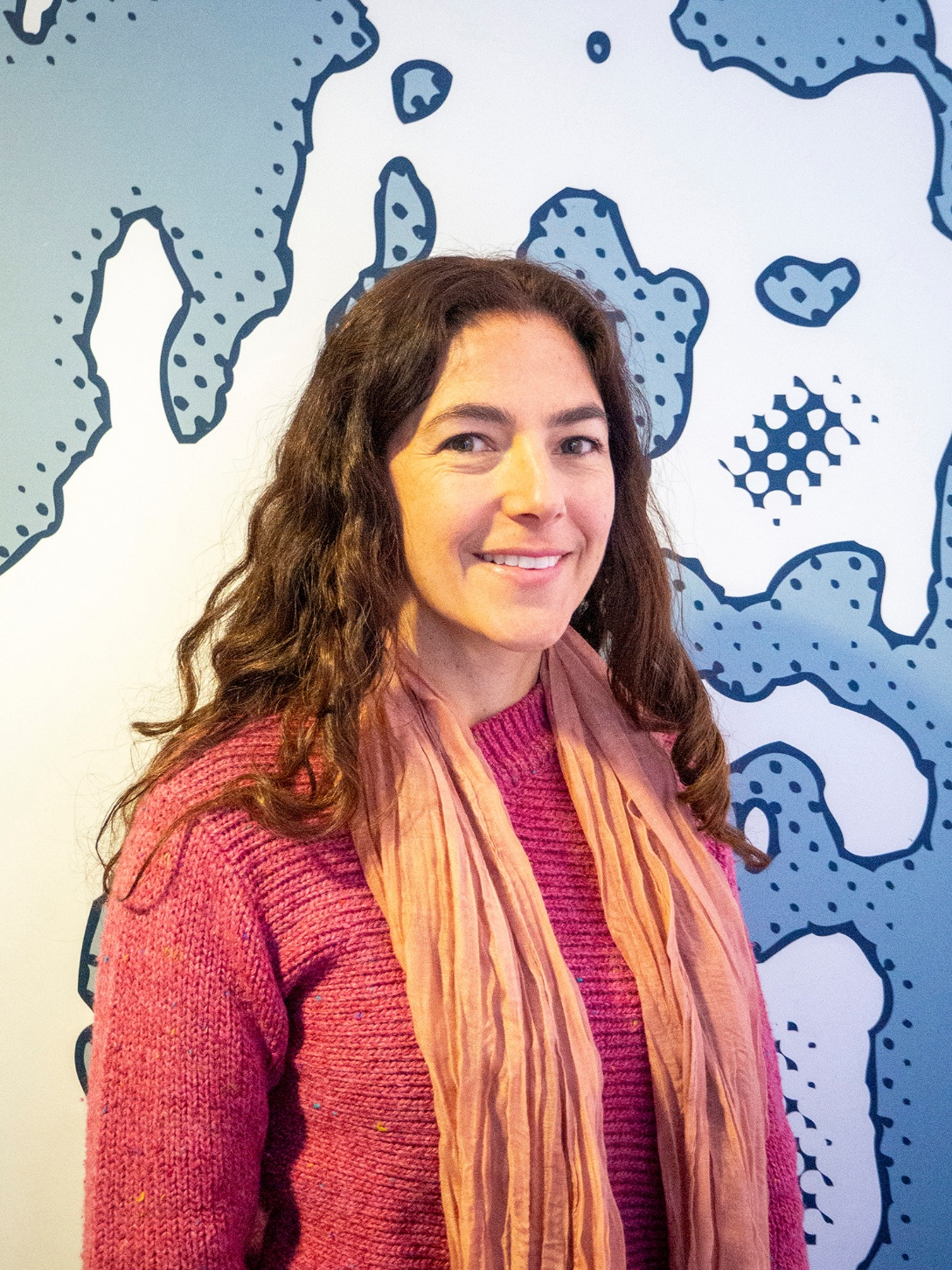
Associate Professor Marina Fortes is a livestock genomics and biotechnology researcher at The University of Queensland, Australia. She leads the Livestock Genomics and Biotechnology Group and serves as Deputy Director of Biotechnology for Agriculture. Her research connects genetics, reproduction, and sustainability to address practical challenges in cattle production. Her methane research investigates how pregnancy, feed intake and individual animal variations influence emissions. Working with industry and multidisciplinary collaborators, she combines animal trials with molecular approaches to enhance knowledge and support productive, sustainable cattle systems.
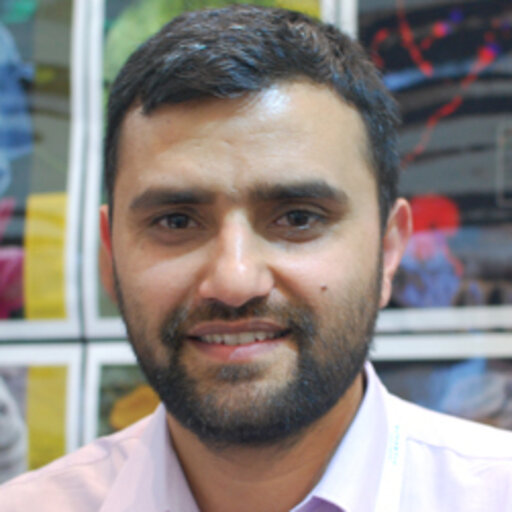
Abdul Jabbar is a Professor in Veterinary Parasitology at The University of Melbourne, where he has worked since 2011. He holds a DVM (2001) and M.Sc. in Veterinary Parasitology (2003) from the University of Agriculture, Faisalabad, Pakistan. He got a PhD from University of Melbourne 2010 on localization of the host-protective antigens in taeniid cestodes. To date, Jabbar has published more than 200 papers in international peer-reviewed journals and six book chapters, and he has supervised a number of postgraduate students. Prof Jabbar has an impressive record within molecular and diagnostic parasitology and discovery of anthelmintic drugs by means of high-throughput screening. He has attracted a considerable number of competitive research grants. Within the last years, Prof Jabbar has performed high quality and pioneering work on epidemiology and virulence typing of bovine theileriosis and horse and alpaca parasites. Besides research, Prof Jabbar is enthusiastically renewing and improving teaching in parasitology for veterinary students and developing new tools for more engaging and interactive parasitology learning and teaching using digital teaching which has been recognised by winning national and international awards.
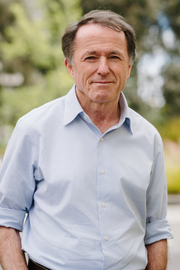
Mark Stevenson is Professor of Veterinary Epidemiology at The University of Melbourne where he leads a group working on applied epidemiological research with an emphasis on transboundary and endemic animal infectious diseases including bovine spongiform encephalopathy, bovine tuberculosis, foot-and-mouth disease, Q fever, African swine fever and Varroa destructor in honey bees.

Dr Ningbo Chen is a Principal Investigator at Northwest A&F University, leading research on the genetic architecture, admixture, and evolutionary history of bovine populations, including cattle, yak, and other wild species. His work integrates mitochondrial, Y-chromosomal, autosomal, and ancient DNA data to reveal the origins of Chinese cattle and gene flow among East Asian bovine lineages. Dr Chen’s research advances understanding of genetic diversity, adaptation, and evolutionary mechanisms in livestock species.
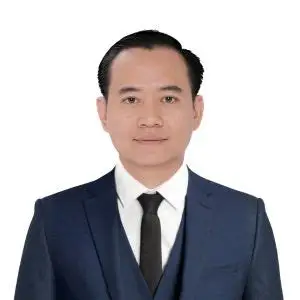
Dr Le Minh Thong is a Lecturer in the School of Biotechnology, International University, Vietnam National University Ho Chi Minh City. He earned his Bachelor degree in Biotechnology from Nong Lam University (2007) and completed his Master’s and PhD in Animal Biotechnology at Konkuk University, South Korea (2015). Before returning to Vietnam, he worked as a Research Fellow and Assistant Professor at Konkuk University. His research focuses on immunogenetics and genomics, particularly identifying immune-related genes and improving molecular techniques for diagnostics and animal breeding.
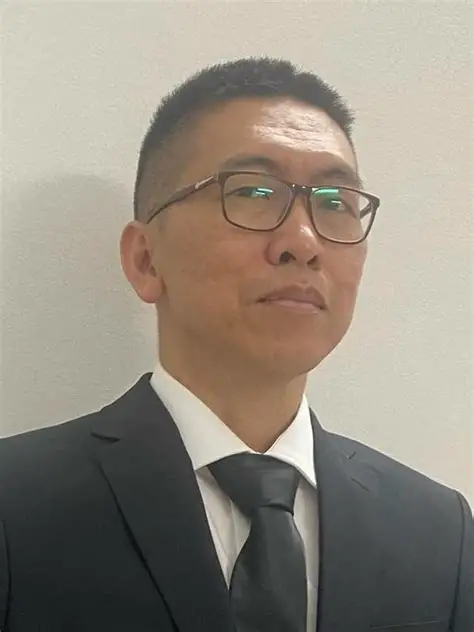
Dr Anh Nam Phu Bui
Agenda
| Time | Speakers | Affiliation | Country | Presentation title |
| 07:30 – 08:30 | Registration | Welcome to SAGA 2026 | ||
| 8:30 – 9:10 | Plenary Speakers – AAAP | |||
| 9:10 – 10:15 | Animal Breeding and Genomics | |||
| 9:10 – 9:15 | Opening Remarks | |||
| 9:15 – 9:45 | A.Prof.Dr. Ngo Thi Kim Cuc | Vietnam Institute of Animal and Veterinary Science | Vietnam | Applications of genomics in livestock selection in Vietnam |
| 9:45 – 10:15 | Prof Clare Gill | Texas A&M | USA | Longevity in tropically adapted beef cattle |
| 10:15-10:45 | Morning Tea & Networking | |||
| 10:45 – 12:30 | Genomics for Livestock Improvement | |||
| 10:45–11:10 | Prof Johann SÖLKNER | BOKU University | Viennam | Horned versus polled: genomic consequences of selection for polledness in Fleckvieh, a large international cattle breed |
| 11:10–11:35 | Dr Toni Reverter | CSIRO | Australia | Filling the immune competence gaps: From genomic predictions to functional understanding in livestock |
| 11:35–12:00 | Dr Ningbo Chen | Northwest A&F University | China | The functional regulatory variants in the cattle genome |
| 12:00–12:20 | Dr Luong Nguyen | Hue University | Vietnam | Phan Rang sheep under climate change: Biological assets and open questions for low-cost genomic breeding in Vietnam |
| 12:20 – 12:35 | Thermo Fisher | High-throughput genotyping solutions gor genomic selection, imputation and breeding in animals | ||
| 12:30–14:10 | Lunch | Sponsor talks | ||
| 14:10-15:30 | Genomics, Biotechnology and Disease Diagnostics | |||
| 14:10–14:35 | A/Prof Marina Fortes | UQ | Australia | Livestock Genomics and Biotechnology for sustainable beef production |
| 14:35–15:00 | Dr Le Minh Thong | IU-HCM | Vietnam | STRiCode: A fast & simple next gene platform for agricultural traceability and breeding |
| 15:00–15:30 | Dr Vu Van Sang | VinUni Big Data Research Institute | Vietnam | From genes to improved strains: genomic technologies for aquaculture breeding |
| 15:30–16:00 | Afternoon Tea & Networking | |||
| 16:00 – 18:00 | Emerging Approaches in Animal Health, Welfare and Biotechnology | |||
| 16:00–16:25 | Prof Mark A. Stevenson | University of Melbourne | Australia | Tail biting – unravelling genetics and environment effects |
| 16:25–16:50 | Dr Nam Anh Bui | Open University | Vietnam | Characterisation of TYRP1 in Ambystoma mexicanum using PCR-RFLP and ONT |
| 16:50–17:15 | Dr Phuong Cao | VNUA | Vietnam | Application of ONT for detection of bacteria and fungi in canine dermatitis |
| 17:15 – 17:40 | Prof Abdul-Jabbar | University of Melbourne | Australia | Novel approaches to survey and control anthelmintic resistance in ruminants and horses |